Understanding TPLO Surgery for Dogs with Torn Cruciate Ligaments
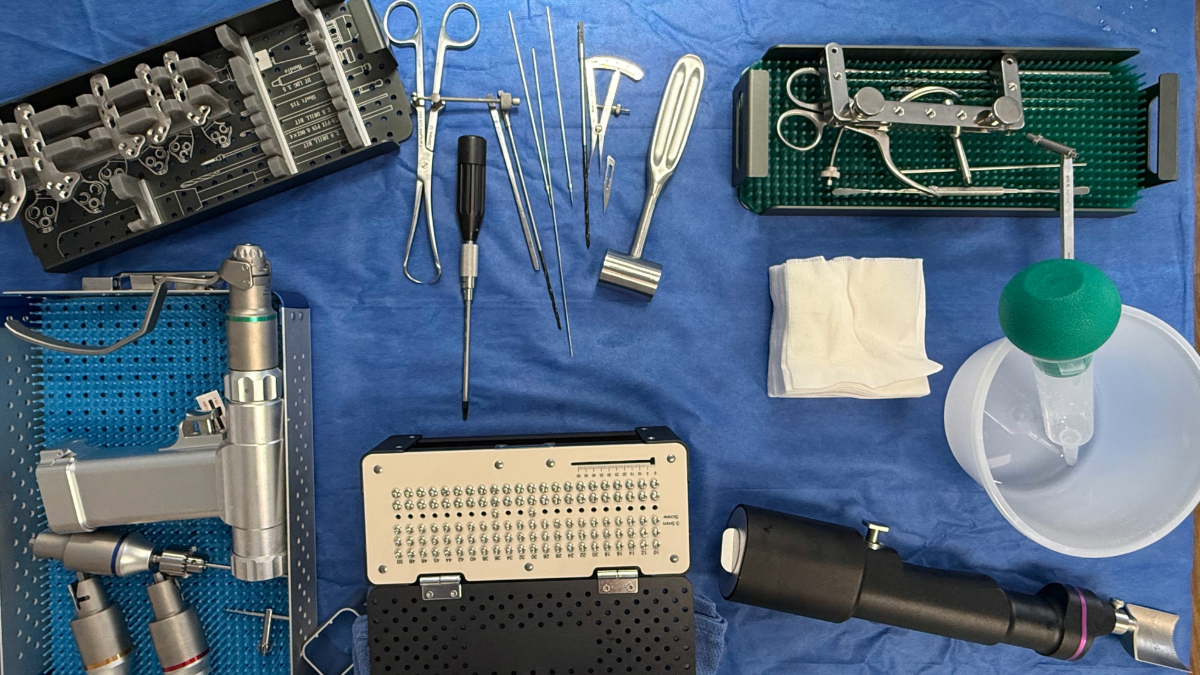
A comprehensive guide for pet parents in Traverse City, Michigan
Cranial cruciate ligament (CrCL) injuries are among the most common orthopedic issues in dogs, often referred to as a torn ACL or ruptured cruciate ligament. At Omnivet, we are proud to now offer TPLO (Tibial Plateau Leveling Osteotomy) surgery in Traverse City, Michigan, providing advanced surgical care to help your pet regain comfort and mobility.
Whether you’re searching for information on dog ACL surgery, exploring TPLO options in Michigan, or wondering if your dog needs this procedure, this guide will walk you through everything you need to know.
Why Did My Dog Tear Their Cruciate Ligament?
The cranial cruciate ligament (CrCL) in dogs functions similarly to the anterior cruciate ligament (ACL) in humans, providing stability to the knee (stifle) joint. When this ligament is torn or ruptured, instability occurs, leading to pain, lameness, and inflammation.
Cruciate ligament tears can occur from:
- Chronic degeneration of the ligament over time
- Sudden trauma during activity or play
- Poor conformation or excessive weight
- Breed predisposition (Labradors, Boxers, Rottweilers, and Newfoundlands are commonly affected)
Many dogs do not tear the ligament from a single traumatic event; rather, the ligament weakens over time until it finally ruptures, even with a minor activity.
Why Your Dog May Need a TPLO Surgery
When the cruciate ligament is torn, the knee joint becomes unstable, leading to pain and progressive arthritis. While some smaller dogs may benefit from conservative management, larger or active dogs often require surgical stabilization.
TPLO surgery is considered the gold standard for treating CrCL injuries in many dogs because:
- It stabilizes the knee without relying on the damaged ligament
- It allows for faster return to function
- It reduces the long-term risk of arthritis progression
What Does TPLO Stand For?
TPLO stands for Tibial Plateau Leveling Osteotomy. This surgical technique changes the biomechanics of the knee to eliminate the need for the damaged cranial cruciate ligament. The TPLO procedure is considered the gold standard of care for dogs with a torn CrCL. This procedure was invented in the 90’s by Dr. Slocum and has had many iterations and modifications over the years to produce the best possible outcomes for our canine (and sometimes feline) patients.
By reshaping the tibia (shin bone) and leveling its slope, the femur (thigh bone) no longer slides backwards when the dog bears weight, thus restoring stability to the joint without needing to reconstruct the ligament.
What to Expect Before a TPLO Surgery
Before proceeding with TPLO surgery at Omnivet:
- Your veterinarian will perform a comprehensive orthopedic exam
- Sedated and Diagnostic X-rays will be taken to confirm the diagnosis and plan the surgery
- Pre-anesthetic bloodwork is typically required
- You’ll receive a detailed consultation explaining the procedure, recovery expectations, and aftercare
Your dog will need to be fasted prior to their consultation appointment and surgery.
How Does a TPLO Surgery Work to Correct My Dog’s Torn Cruciate Ligament?
During a TPLO procedure:
- The top of the tibia (tibial plateau) is surgically cut and rotated to change the angle of the slope.
- This rotation alters the mechanics of the joint, preventing the femur from sliding.
- A stainless-steel bone plate and screws are used to stabilize the bone in its new position.
- Over time, the bone heals in its new orientation, restoring function and stability.
Because TPLO eliminates the need for the CrCL, it is especially effective in active, athletic, and large breed dogs.
What Type of Dogs Normally Get TPLO Surgery?
TPLO surgery is most commonly recommended for:
- Large breed dogs (>40 lbs)
- Active dogs or working dogs
- Dogs with complete cruciate ligament tears
- Dogs with bilateral cruciate injuries
- Cases where other stabilization techniques may fail
However, each patient is unique. Some medium and small breed dogs may also be candidates based on age, activity level, and overall joint health.
What Does the Recovery Process Look Like?
Postoperative care is crucial for a successful TPLO outcome. Here’s what to expect:
- The procedure is an outpatient procedure with dogs typically returning home that evening.
- Strict crate rest and leash-only walks for 8–12 weeks
- Physical rehabilitation or at-home exercises as directed
- Follow-up X-rays at 8–10 weeks to confirm bone healing
- Gradual return to normal activity over 3–4 months
Pain management and infection prevention will be addressed with medications and regular rechecks.
Success Rate of TPLO Surgery?
TPLO surgery has a high success rate, with over 90–95% of dogs returning to normal or near-normal function. Many dogs are able to return to their previous activity levels, including running, hiking, and playing.
The success depends on:
- Proper surgical technique
- Adherence to postoperative care
- Regular follow-up evaluations
Potential Complications and How to Minimize Risks
While TPLO is considered safe and effective, potential complications may include:
- Infection at the surgical site
- Implant failure or loosening
- Delayed bone healing
- Meniscal injury (damaged cartilage within the knee)
To reduce risks:
- Follow all postoperative instructions closely
- Prevent your dog from running or jumping too early
- Keep the surgical site clean and monitor for swelling or discharge
- Attend all scheduled rechecks
At Omnivet, we take all necessary precautions to minimize these risks and ensure a successful outcome.
In Summary
A torn cruciate ligament is a painful and quality of life limiting condition in dogs, but with TPLO surgery, your dog can return to a pain-free and active life. Whether you’re dealing with a recent injury or exploring treatment options, Omnivet’s experienced surgical team in Traverse City, Michigan, is here to help.
If you’re looking for dog ACL surgery in Traverse City or want to learn more about TPLO for your pet, contact us today to schedule a consultation.